AI & art policy
System Codex is not anti-AI, but we are strongly pro-author and pro-artist.
We use AI carefully where it can make a codex more useful, more readable, or easier to build. But AI is a utility. Art is something greater.
Human-made artwork carries intention, skill, style, interpretation, and emotional value that AI-generated visual aids cannot replace. That includes official art, commissioned art, community art, and fan-created artwork where it can be used and attributed appropriately.
System Codex is designed to recognise, credit, and elevate that work wherever possible.
Art comes first
System Codex gives priority to human-made artwork.
Where supported, original artwork can receive special treatment in the app, including visible labels, attribution links, credit lines, and highlighted presentation in entries, tooltips, character panels, and other views.
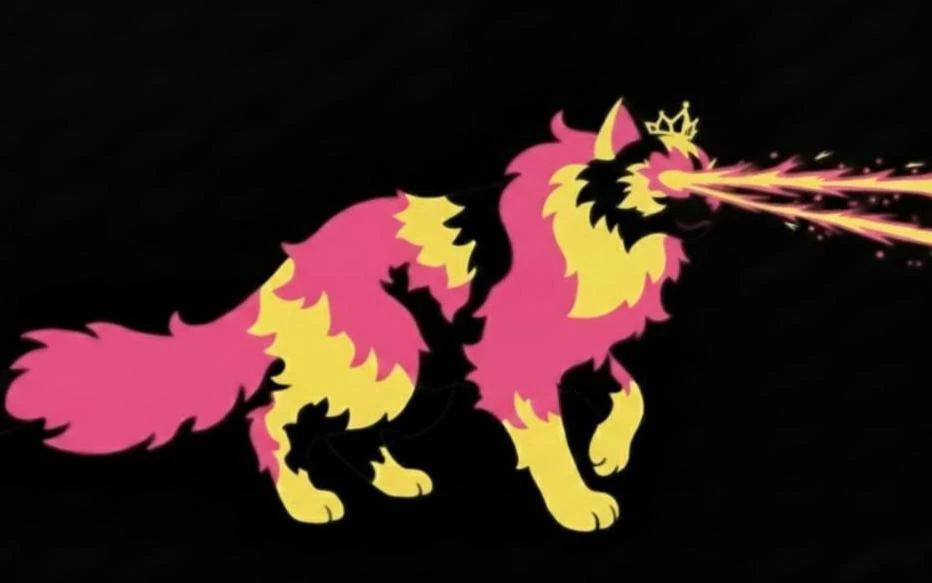
Credited artwork example
System Codex supports artist attribution because artists deserve to be seen. Where human-made art is used, the app can display the artist's name, profile link, website, commission link, social link, or other approved credit.
Our preferred long-term outcome is that AI-generated visual aids help reveal where original artwork is needed. Important characters, iconic items, legendary equipment, monsters, skills, and major story moments can become opportunities for artists to be commissioned, credited, and paid.
How System Codex uses AI
System Codex may use AI for limited presentation-focused features, such as:
- AI-generated visual aids, including entry icons and generic RPG-style imagery, where a codex allows them
- describing, tagging, and matching existing library images to entries
- short presentation lines that turn existing codex data into readable sentences
For example, if a codex already stores that a character acquired an item in a specific chapter, AI may help turn that structured relationship into a compact system-style line.
It should help organise and present information already stored in the codex, not add new facts about the story.
AI is not treated as the source of truth for a series. Codex facts, descriptions, stats, skills, items, upgrades, events, and chapter appearances are manually created, curated, or reviewed by people.
AI-generated visual aids
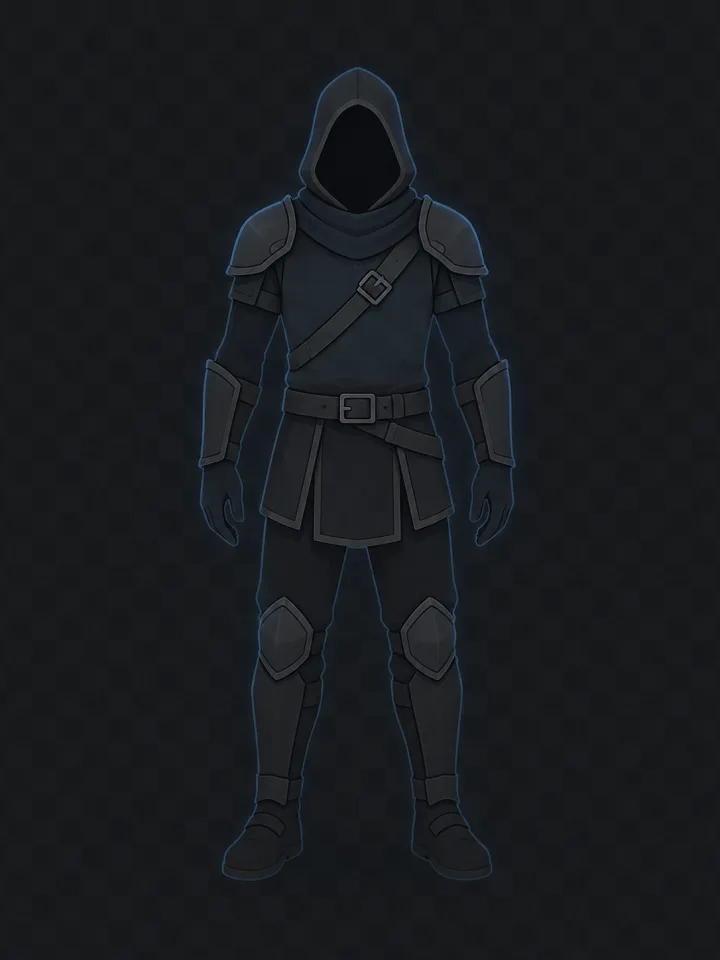
An AI-generated visual aid is an illustrative image used to help readers picture a character, item, skill, spell, or other codex entry. It is not official artwork and should not be treated as a canonical depiction of how something looks unless explicitly stated otherwise.
Visual aids are there to make the codex easier and more enjoyable to browse. Where the source material does not specify every visual detail, the generated image may contain interpretive details and should not be used as a source of story information.
Library images
Library images give every entry a picture, including for readers who turn off AI images. They are licensed, artist-created illustrations, not AI-generated art, and are labelled Library image in the app.
Because they come from an existing collection, a library image is a best match rather than an exact one and may be less specific than an image uploaded or generated for that entry. Similar entries can share a picture, and authors can always choose another or upload their own.
Choose how images appear
Each series decides whether AI-generated images are shown by default. Authors and moderators set this when editing the series.
Readers can change it for themselves with the AI visuals switch in the series sidebar. You do not need an account, and your choice applies to every series. Signed-in readers can also choose in their account settings to follow each series' default instead.
Hiding AI images only changes what you see. Human artwork and library images stay visible, and it does not change what authors allow to be created for their series.
AI training
System Codex does not train AI models on author works.
We do not use author-provided manuscripts, books, notes, private codex material, official art, artist uploads, or community contributions to train AI models.
We also do not sell, license, or provide author or artist material to third parties for AI training datasets.
Some features may use AI to generate a specific output, such as an AI-generated visual aid or a short system-style line. That is different from training a model. Our policy is to use AI as a limited utility, not as a way to absorb authors' worlds into an AI system.
System Codex cannot control how every third-party base model in the world was originally trained. What we can control is how System Codex handles material entrusted to us.
Book ingestion and copyrighted text
System Codex does not provide full-book, manuscript, or chapter-ingestion tools for unapproved public codex creation.
Public or unclaimed codexes are built through manual curation, community contribution, public reference material, author-approved material, or other permitted sources.
In the future, System Codex may offer author-approved import tools that allow verified authors or authorised rights-holders to provide their own books, manuscripts, notes, or reference files to help build an official codex more easily.
That would be opt-in, consent-based, and limited to that author's codex work.
Author-provided material used for official codex creation would not be used to train general AI models, sold as training data, or used to create codexes for unrelated works.
Author control
Verified authors can claim their own series on System Codex for free.
Authors should not have to pay to raise concerns about how their work is represented. A free author claim can include basic tools for requesting corrections, asking for content review, setting visual preferences, and choosing whether AI-generated visual aids are used for their own series.
Supporter credits or contributor tools do not override author preferences. AI-generated visual aids can only be created or published where a codex's visual policy allows it.
Unofficial codexes
Unless clearly marked as official or author-managed, codexes on System Codex should be treated as unofficial, community-created, or proof-of-concept resources.
Authors, artists, and rights-holders can contact us to request corrections, attribution changes, image removal, AI-generated visual aid review, codex review, public delisting, or removal from public view.
If a verified author or rights-holder asks us to remove an unofficial codex from public view, our usual approach is to delist it and make it inaccessible to the public while retaining internal records where needed for operational, moderation, legal, or audit purposes.
Why this policy exists
System Codex is meant to be a useful, enjoyable resource for the LitRPG community, but AI and artwork raise fair questions for authors, artists, readers, and contributors.
This policy explains how we use AI, how we treat human-made artwork, and how authors and rights-holders can control how their work is represented.
System Codex is a work in progress, and this policy may evolve as the platform develops.
Contact
For attribution corrections, image removal requests, AI-generated visual aid concerns, codex review, public delisting, or rights-holder requests, contact feedback@system-codex.com.
For author claims, start with the For authors page.